Blogs16th July 2026
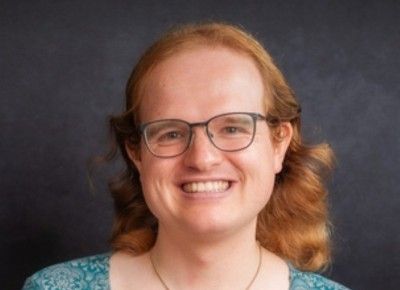
Story by Jacob Webb
I have narcolepsy. I’ve been waiting more than four years for a review that could change my life — a review that might finally allow me to drive, swim, and ride a bike again. Four years is a long time to live in limbo. In that time, I’ve had to manage the day‑to‑day realities of narcolepsy: overwhelming tiredness and sudden loss of muscle control when I feel strong emotions. For me, that often means collapsing before being able to say the punchline of a joke I think is hilarious…
This isn’t just an anecdote about my health. It’s a reminder that the systems we rely on — the NHS, disability assessments, social support — are shaped by political decisions. And those decisions are shaped by who we vote for.
Politics isn’t just politicians
It’s easy to feel disconnected from politics. The images we see — people debating in Westminster — can feel distant, irrelevant, even alienating. But politics is not just Parliament. Politics is how we run society. It’s what we prioritise. It’s what we fund.
And for everyone, those decisions are not abstract. They are lived reality.
Politics affects our lives
As disabled people, we’ve seen politics used to expand our rights and opportunities, and we’ve also seen decisions that have reduced support or made life harder. Political choices shape everything from healthcare to income to accessibility — and those choices can move in either direction.
Politics is what created the National Health Service, introduced benefits to help disabled people live independently, and established the right to reasonable adjustments through laws like the Disability Discrimination Act and later the Equality Act. These decisions opened doors that had previously been closed.
But politics has also enabled cuts to disability benefits, changes to assessment systems that many people experience as stressful or unfair, and funding pressures that have contributed to long NHS waiting lists, leaving people waiting months or even years for essential reviews and treatment.
None of this is accidental. These developments — positive and negative — are the result of political priorities, funding decisions, and legislation made over decades by governments of different colours.
And crucially, we help decide who makes those choices. Not just in Westminster, but in Senedd and Holyrood elections too, where devolved governments hold real power over health, social care, education, and disability support.
Your Vote Is Your Power
One government could put more money into disabled people’s pockets, strengthen the NHS, and invest in the welfare state. Another could cut support, tighten assessments, and shrink the safety nets we rely on.
Voting won’t fix everything overnight. But it is one of the few tools we have to influence the systems that shape our lives.
If you have ever waited years for a medical review or fought for support you should have received automatically. If you simply care about striving for a world where all disabled lives matter.
Then your vote is not just important — it’s powerful.
Find out more about the voting process and how to have your say: Voting – My Vote My Voice